

Meet Alex
Recovery educator. Coach. Peer specialist. Facilitator. Movement professional.
For nearly three decades, my work has centered on a question I keep returning to:
What actually helps people change, recover, reconnect, and become more fully themselves?
My career began in fitness and education and has expanded into recovery coaching, peer support, professional facilitation, advocacy, community education, movement, and organizational training.
Today, I work with individuals, families, professionals, and organizations to explore recovery as something much bigger than fixing what is “wrong.”
Recovery can be about substance use.
It can also be about rebuilding self-trust, surviving systems, navigating identity, changing relationships, recovering from trauma, finding community, developing healthier patterns, moving through major life transitions, and learning how to live differently.
I call this approach Integral Recovery: recognizing the whole human being—their mind, body, relationships, identity, culture, environment, nervous system, lived experience, strengths, values, community and the systems they must navigate.
What I Bring
I bring together professional training, lived experience, decades of work in health and fitness, and a deep belief people’s capacity have to create meaningful change.
My professional background includes:
Colorado Certified Peer & Family Specialist (CPFS)
CCAR Recovery Coach Professional (RCP)
CCAR Recovery Coach Professional Facilitator (RCPF)
Nationally Certified Recovery Coach
ACE Certified Group Fitness Instructor
NASM Certified Personal Trainer
Usui Reiki Practitioner
B.S. in Sport and Leisure Studies, The Ohio State University
I began working in group fitness in 1997 and have spent much of my professional life teaching, coaching, facilitating, and helping people reconnect with their bodies and their capacity for change.
Before moving more deeply into recovery and peer-support work, I worked as a personal trainer, fitness instructor coach, educator, and physical education teacher. I was also a Division I rower at The Ohio State University and later competed as a cyclist.
Movement has always been part of the story.
Eventually, I began to understand why.
Recovery Isn’t Theoretical To Me.
My work is rooted in lived experience.
My own recovery has included substance use, trauma, identity, relationships, family systems, major life transitions, and the process of learning how to trust myself after years of adapting to expectations that were never fully mine.
I know what it means to build a life while simultaneously questioning many of the beliefs you were taught about who you were supposed to be.
I also know that recovery rarely happens in a straight line.
There are breakthroughs.
There are setbacks.
There are tiny decisions nobody else sees.
There are moments when survival gives way to curiosity.
There are moments when we stop asking, “What is wrong with me?” and start wondering, “What happened? What do I need? What matters to me now?”
That shift is a powerful place to begin.
PEOPLE are not problems to fix.
That belief shapes everything I do.
As a peer and coach, I walk alongside people—not above them and not ahead of them.
My role is not to tell someone what their life should look like.
It is to help create the conditions where people can hear themselves more clearly, identify their strengths, explore possibilities, build resources, and make decisions that reflect their own values.
This work is person-centered, strengths-based, recovery-oriented, trauma-aware, and grounded in respect for multiple pathways.
It also recognizes something I believe deeply:
People make more sense when we understand the systems, relationships, environments, identities, and experiences that shaped them.
Compassion does not remove accountability. It gives us a more useful place from which to practice it.
Recovery is bigger than what we’ve learned about it.
Substance-use recovery is an important part of my work, but I understand recovery more expansively.
People may be recovering from:
Substance use or alcohol use
Mental health challenges
Trauma
Burnout
Grief
Harmful relationships
Identity suppression
Disconnection from their bodies
Chronic shame
Major life transitions
Systems that have made it difficult to access support
Patterns that once helped them survive but no longer serve them
There is no single pathway that works for every human being.
My work embraces multiple pathways, including harm reduction, peer support, community connection, movement, mindfulness, recovery coaching, clinical support, mutual aid, spiritual practices, and other approaches chosen by the individual.
Recovery, Compassion, Movement & Community
These four ideas run through nearly everything I create.
Recovery gives us the invitation to change.
Compassion helps us understand ourselves and each other with greater clarity.
Movement gives the body a voice in the conversation.
Community reminds us that human beings were never designed to do all of this alone.
For more than a decade, I have taught a movement practice called Dance Magic, exploring the relationship between music, movement, identity, connection, nervous-system regulation, joy, and healing.
That work eventually became part of a larger realization:
Recovery is not only something we understand intellectually.
Recovery is something we practice.
Advocacy & Writing.
My work occasionally moves beyond coaching and training into advocacy and storytelling.
I write and speak about recovery, transgender identity, family systems, coercive control, compassion, movement, parenting, and what happens when people encounter institutions that do not yet possess the skills to fully understand their lives.
My essay “Holding Trans Hope Through Family Court,” published by OUT FRONT Magazine, explores my family's experience navigating five years of family court as a transgender, nonbinary parent advocating alongside and for a transgender child.
The experience reinforced something that continues to shape my work:
People need more than services.
They need systems capable of seeing them. Professionals willing to keep learning. Communities willing to stand beside them. And people who understand that sometimes preserving hope is itself an act of recovery.
A Little More About Me.
Long before I had language for much of my life, I found places where I could experiment with identity, movement, creativity, and expression.
One of those places was the stage.
At age 20, I created a drag king named Trey Suits, beginning a relationship with gender expression and performance that eventually became part of a much larger process of understanding myself.
Movement gave me another language. Recovery gave me another. Peer support gave me another. Advocacy gave me another.
Over time, the pieces began connecting.
Today, my work lives at those intersections:
recovery, identity, movement, compassion, systems, lived experience, community, and the beautifully complicated process of being human.
I am interested in what happens when people are given enough safety, curiosity, resources, agency, and connection to discover what else might be possible.
My Work Today.
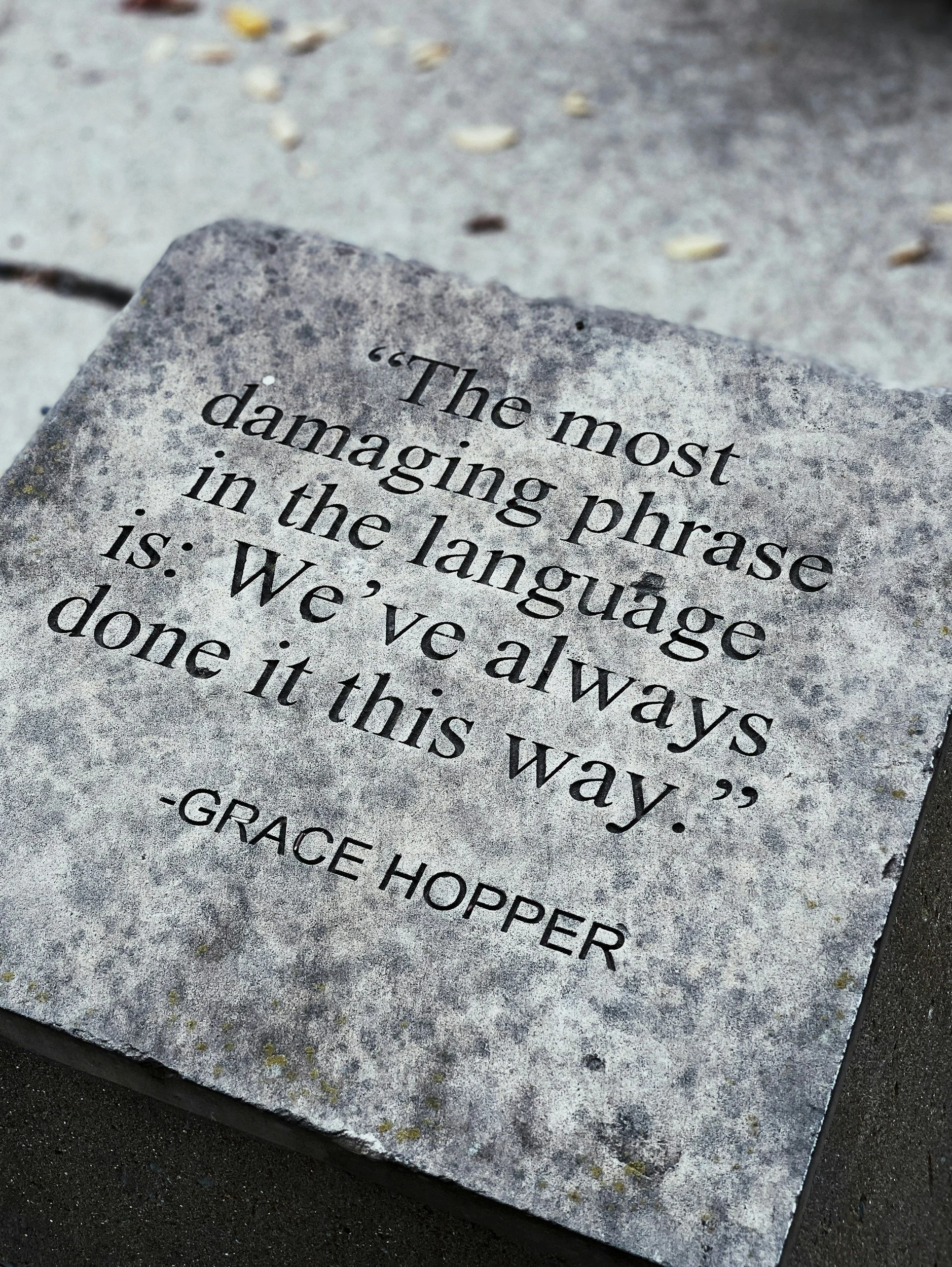
Recovery In Motion.
Recovery skills for real life.
Recovery in Motion is my flagship community and professional training program.
It brings foundational recovery coaching skills into the places where people already live, work, move, and heal—including fitness, wellness, healthcare, behavioral health, workplaces, peer-support programs, LGBTQ+ organizations, and community spaces.
Participants learn practical skills for listening, supporting change, understanding recovery, reducing stigma, maintaining boundaries, building recovery capital, and supporting people without trying to fix them.
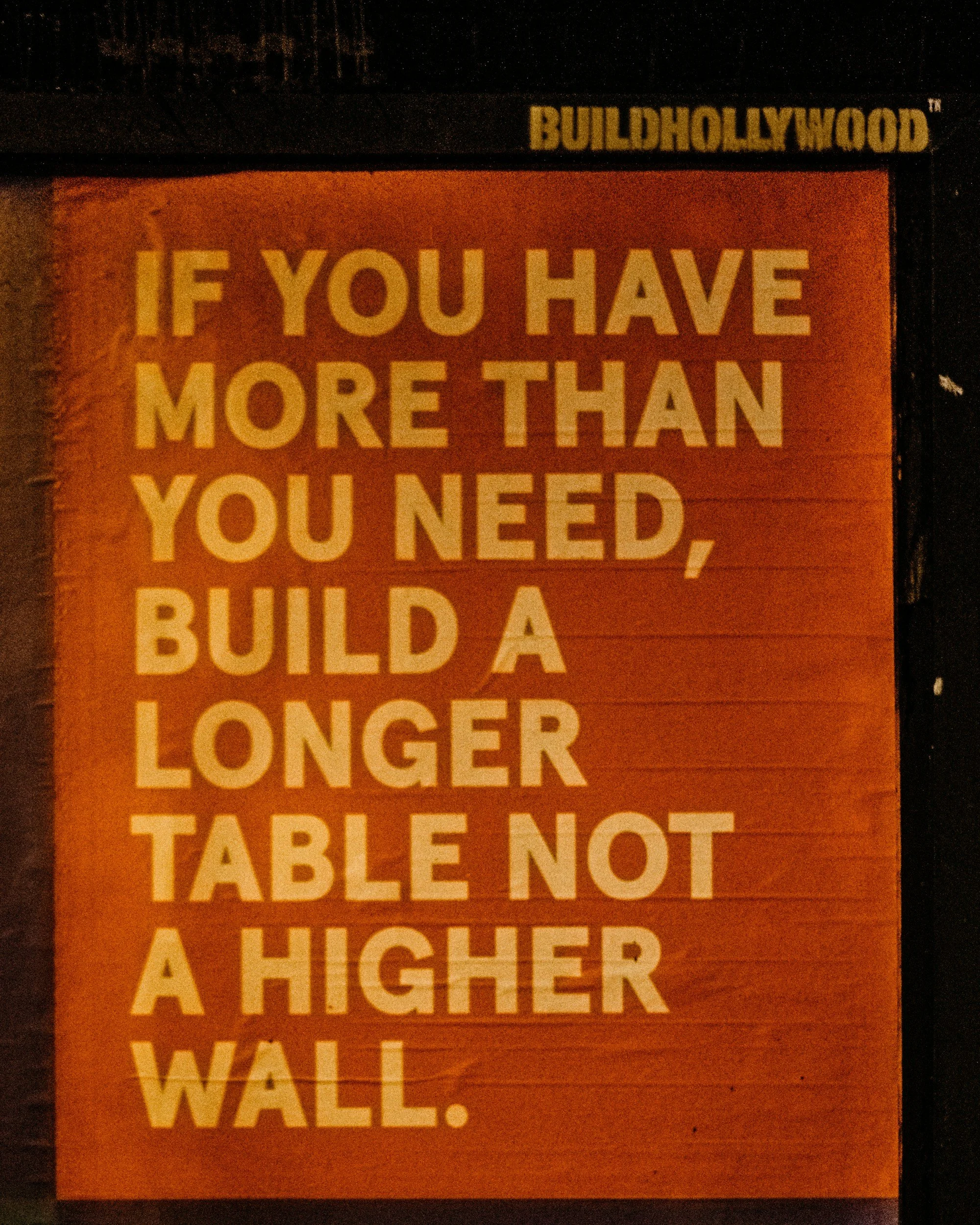
Training & Professional Development
I also provide professional development, organizational training, facilitation, speaking, and consultation.
My programs explore topics including:
Recovery in Motion
Recovery-informed practice and recovery coaching fundamentals.
Compassion as Competence
Building the skills necessary to support transgender and gender-diverse people with greater competence, curiosity, and humanity.
Custom Training & Facilitation
Programs created for organizations, teams, conferences, and communities.
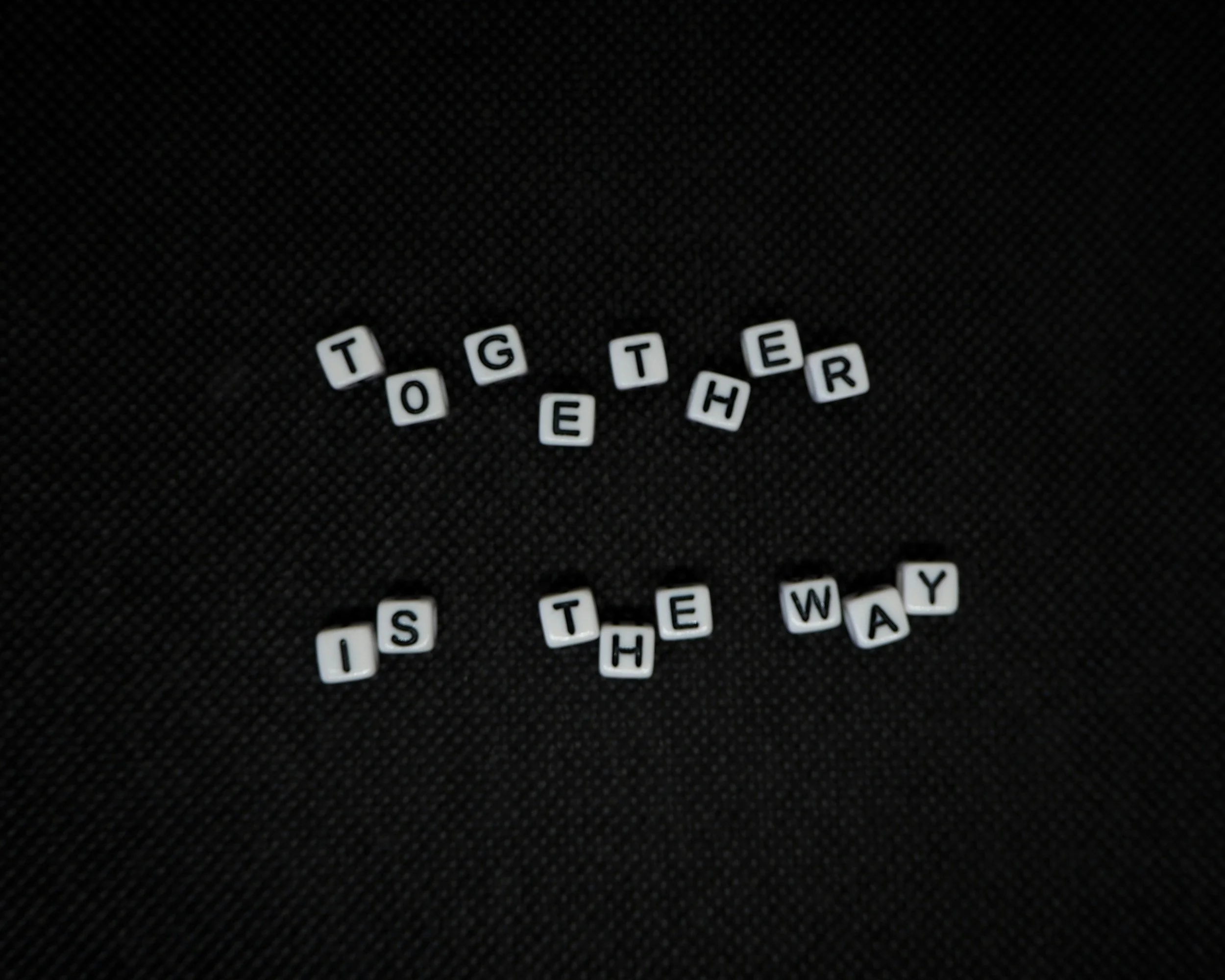
Private Coaching.
I provide individualized recovery coaching for people navigating major change, identity, substance use, relationships, recovery, professional transitions, and the process of reconnecting with themselves.
My coaching is collaborative, person-centered, and built around the belief that you are the expert on your own life.
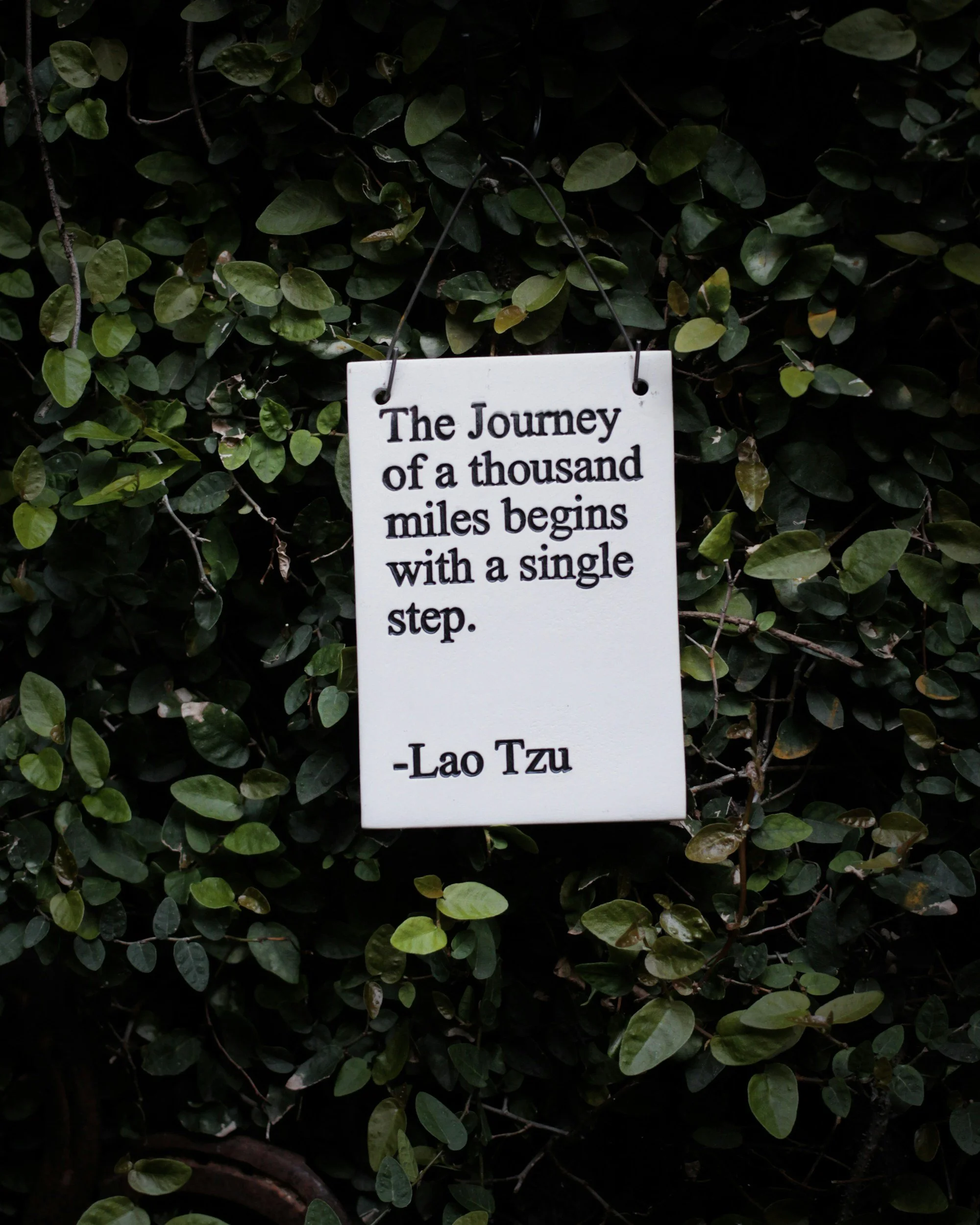
Peer Coaching
As a Colorado Certified Peer & Family Specialist, I provide peer-based recovery support for eligible Colorado Medicaid members.
Peer support centers lived experience, mutuality, self-determination, strengths, connection, and practical support navigating recovery and complex systems.


